Fibre

Flax dietary fibre (linseed)

Flax fibre on this page refers to food fibre, the fibre naturally found in the seed. Flax (also known as linseed) is a very useful addition to a healthy diet. Dietary fibre is much more than just bran, skins, pips and the stringy bits of fruit and vegetables.

Flax fibre is just right

Flax (linseed) is a rich source of a well balanced mix of soluble and insoluble dietary fibre. Many people are surprised how much better they feel simply by adding a small amount of ground flax to their diet. In addition, flax is often recommended for its fibre content for a range of digestive and metabolic needs.


Good dietary fibre

Helps feed a healthy population of good bacteria in the lower gut
Provides bulk
Contains both soluble and insoluble fibre
Supports comfortable digestion
Digestion supports whole body health


Flax as a source of soluble, insoluble and good-bacteria-supporting fibre

Dietary fibre is often over-simplified. Insoluble fibre is said to speed digestion, soluble fibre to slow it down, and fermentable fibre to cause wind. In reality, fibre is not equal and its effects depend on the type and source of the fibre and whether it comes with beneficial nutrients or anti-nutrients.

Insoluble fibre holds water in the gut, contributes structure and provides surface area for beneficial bacteria to develop. It also makes meals more filling without adding excess calories.

Soluble fibre, often called mucilage, helps keep us feeling fuller for longer. It is soothing and protective and supports a healthy gut environment.

Good-bacteria-supporting fibre, sometimes called fermentable fibre, helps encourage the right balance of gut flora, supporting the health of the lower gut.


Ground whole flax seed rather than whole grains

Flax (linseed) contains more than twice the fibre of oats and most other whole grains. In digestion, flax fibre increases bulk and provides a soft, comfortable consistency that supports regular bowel movements and healthy poo.


Flax fibre and support for metabolism and weight control

The natural blend of soluble and insoluble fibre in flax slows the absorption of sugars and starches from food. This supports sustained energy, helps you feel full for longer and supports stable blood sugar levels.


Flax gentle fibre for everyone

Flax is an ordinary food, even if some of us find it extraordinary. As a high-fibre food it is generally very well tolerated and gentle.

Suitable for children, adjusting portion size to body weight
Usually well-tolerated by people with digestive sensitivities*
Naturally gluten-free and grain-free
Works with digestion rather than irritating it
More gentle than bran

*If you have a very easily upset digestion flax will probably be helpful but it will probably be easier if you start gently. The best ways to start with flax for a sensitive digestion are a teaspoon of flaxseed oil added to food or drink a tea made from 1TBS whole flaxseed simmered for 30 minutes and strained. This makes a smooth tea that tastes like barley water.


Where does flax fibre come from?

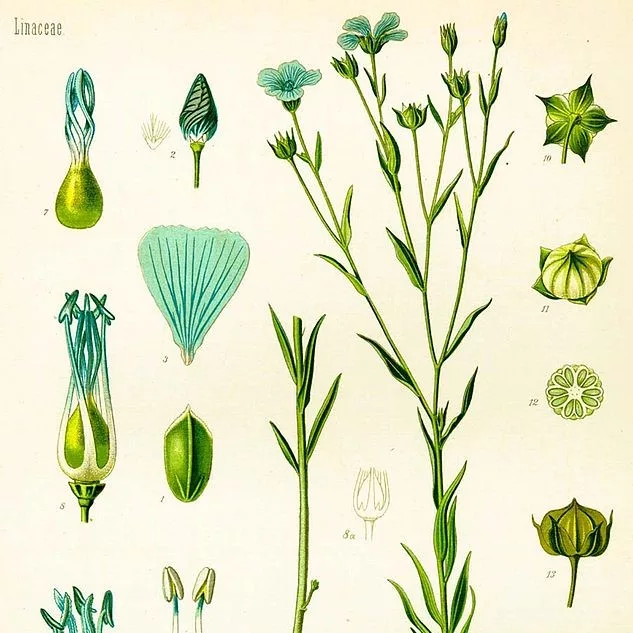
The word “flax” can be confusing. Traditionally in the UK it referred to the long fibres from the stem of the flax plant used to make linen. These fibres are not eaten.

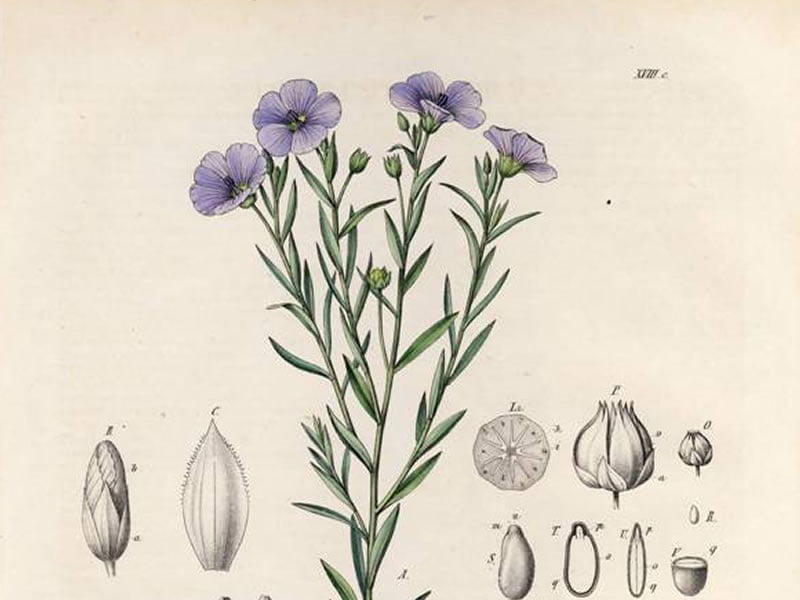
Dietary flax fibre comes from the seed, commonly known as linseed. Flaxseed and linseed are the same seed from the plant Linum usitatissimum.


Why do we use the word flax?

Internationally, especially in North America, the name flax or flaxseed is commonly used for linseed sold as food. In the UK the crop has traditionally been called linseed.

At Flax Farm we use the word flax for clarity, while recognising that flax and linseed are the same seed and just as healthy, whatever name is used 🙂

Ground flax for fibre (linseed)

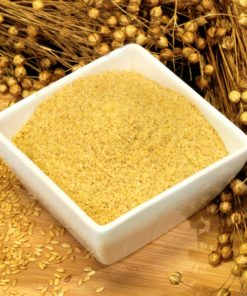
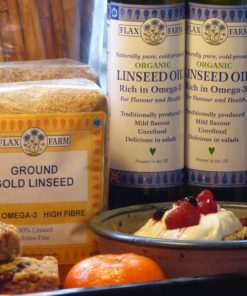
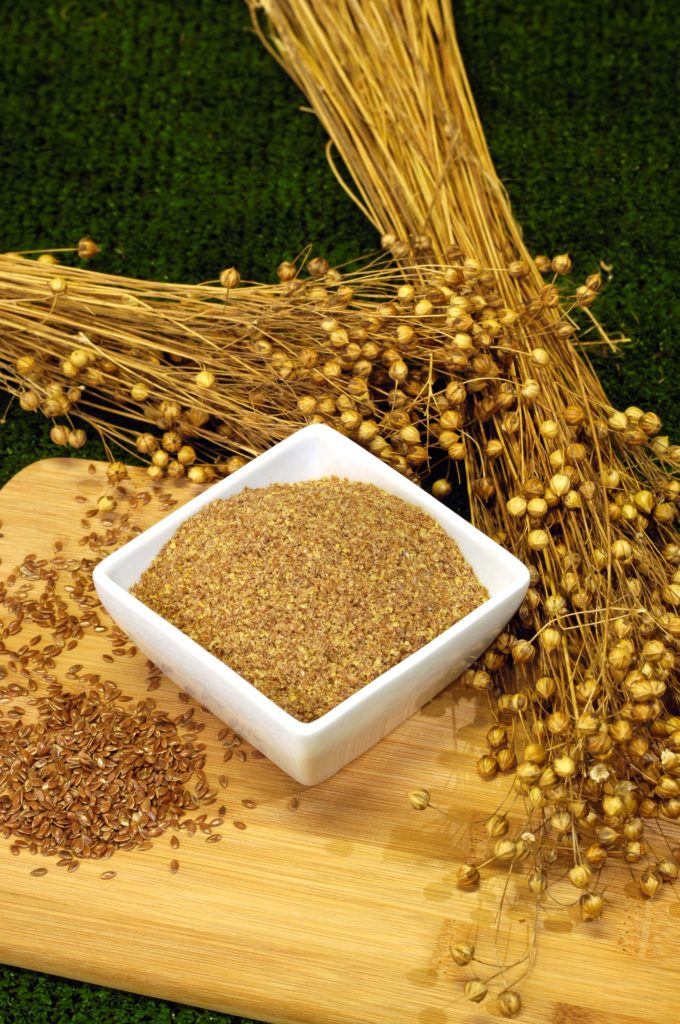
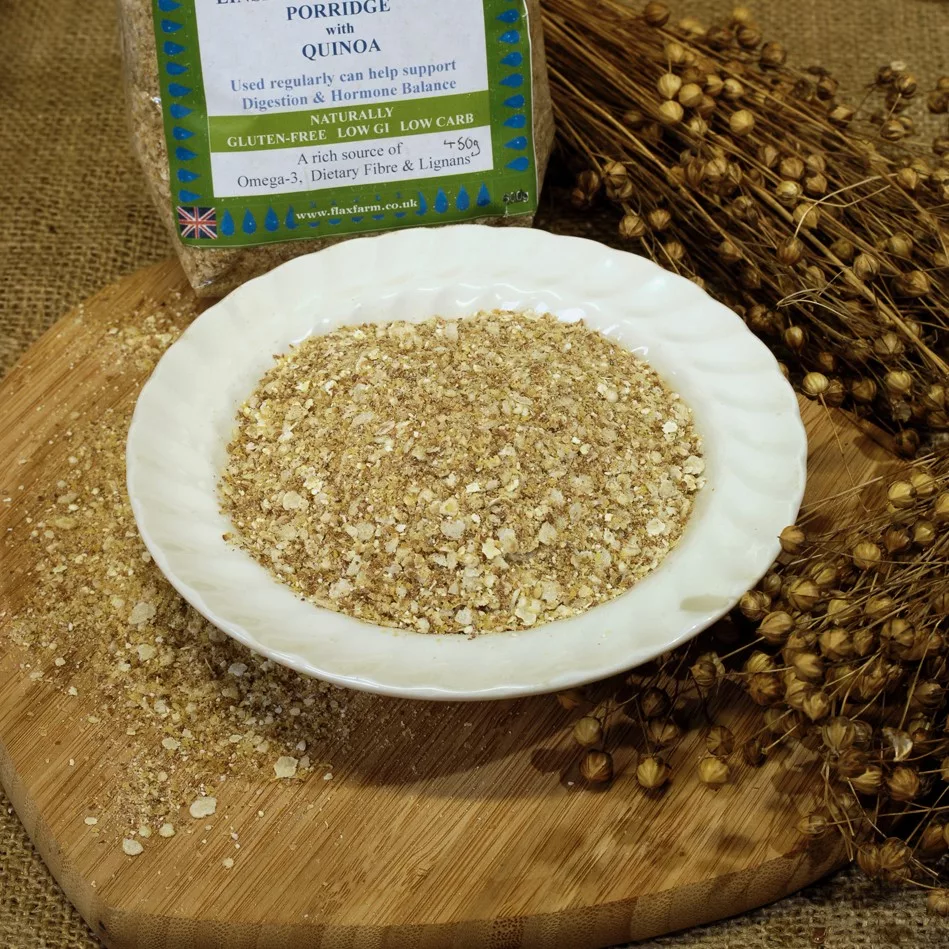
It is mainly the husk of the flax seed that provides fibre. Flax (also known as linseed) is therefore most effective when it is ground. Flax Farm ground flax, or foods made with it such as Flax Farm porridge, muesli and Flaxjacks®, are the best sources. Gold and bronze flax are nutritionally equivalent.

Whole flax seeds contain fibre but are pellet-like in form. Whole seeds often pass straight through the digestive system without providing the full benefit to digestion. If you prefer whole flax, Flax Farm gold or bronze flax seeds can be freshly ground at home in a coffee grinder.


Flax Farm fibre-rich foods

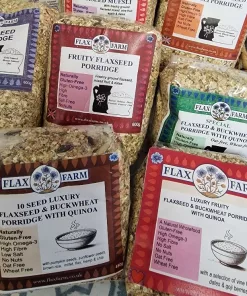
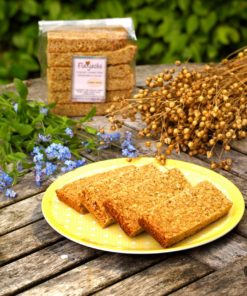
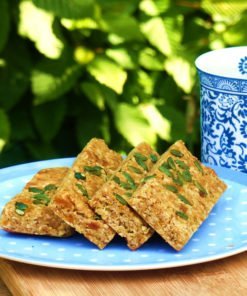
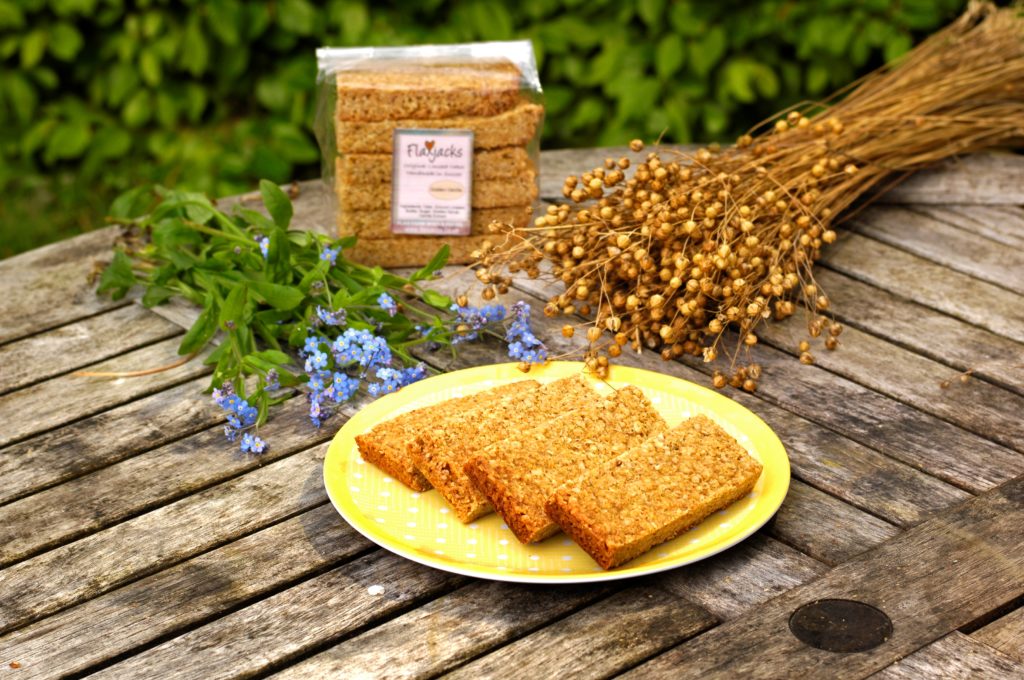
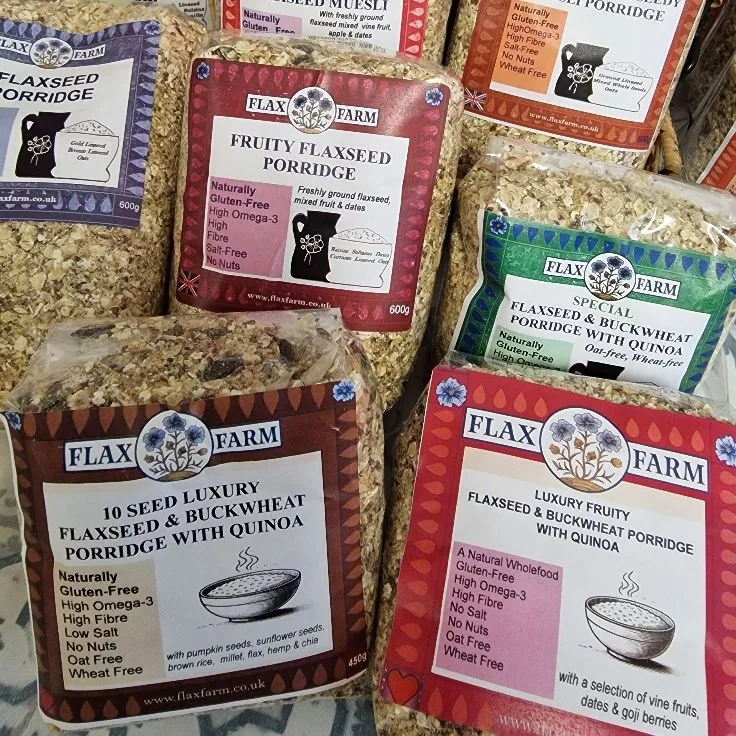
At Flax Farm we make a range of porridges, muesli and Flaxjacks® that are naturally high in fibre and completely gluten-free and oat-free. These can be a helpful and gentle way to increase fibre intake as part of everyday eating.


Other sources of dietary fibre

See our recipes for simple and delicious ways to use Flax Farm ground flax alongside other fibre-rich foods. These foods work particularly well together to support a healthy digestion:

Spinach
Cabbage
Kale
Spring greens
Swiss chard
Onions
Leeks
Peaches
Oranges
Apples
Raspberries
Figs
Blueberries
Rhubarb