Fabric & fibre, Farming, Faxipedia, Flax Museum, Flaxfarm, History
Linseed and Flax; why we have two words for it
Linseed or Flaxseed
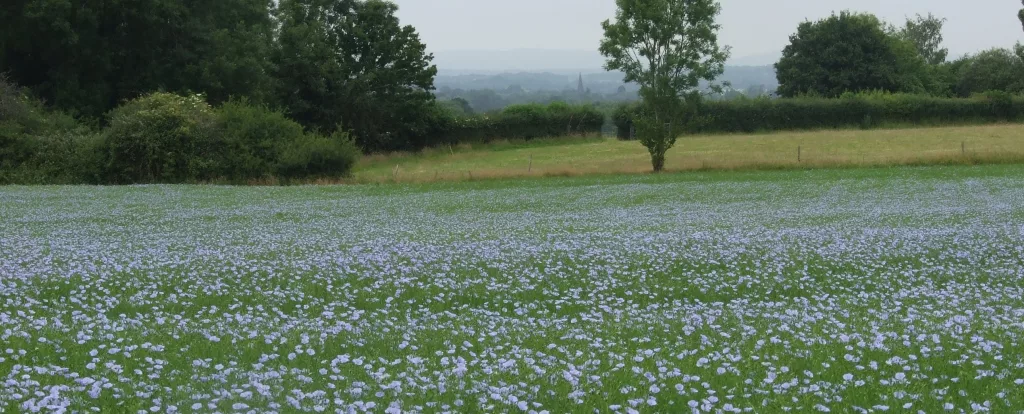
The history of flax, aka linseed, and its use by people stretches back 30,000 years and it has been in continuous use ever since. Along the way, its name reflects ithe ways it has been used and has entered the English language as both linseed and flaxseed, and this can confuse people. These two words for the same thing have been swapping around for thousands of years during the development of the English language and the language carries many hints to the memory of the importance flax once had in people’s lives.
Lin
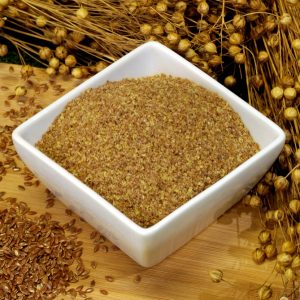
Most European languages use the “lin” sound. This is very ancient and goes back to the Proto-Indo-European language of the late Neolithic to early Bronze Age, approximately 4000–2500 BCE. The earliest form is in ancient Greek, “linon,” and was later spread and standardised by the Romans. Lin is considered to refer both to the plant grown for fibres to weave into fabric, as in linen, and also to the seeds. From the “lin” root, we get words such as linseed in English, Lein in German, lin in French, semi di lino in Italian and linaza in Spanish.
Lin would have been the first linseed/flax term to get to the UK. Our Celtic-speaking ancestors and Romans established the use of “lin”.
The Latin name for the plant, Linum usitatissimum, means “the most useful linen plant”, reflecting the many ways people relied on it. From this lin / linum root English gained a number of related words, including linen, linseed, lint, and linnet (a small bird once associated with fields of linseed).
Flax
“Flax” also has Proto-Indo-European origins. The word is thought to have been originally something like “pleks” and possibly related to words meaning plait, braid or twist fibres in early northern European, Germanic languages. This makes perfect sense because flax fibre from the earliest times was spun, which means twisting the strands, before being woven into cloth or made into fishing lines and nets. The fibres could also be further twisted to make strong rope.
In the early Germanic languages, the “p” sound changed to an “f” sound, and “pleks” became our modern “flax”. Flax entered English when we were invaded by the Germanic language speakers, the Anglo-Saxons and later the Vikings. They brought us “flax” which referred both to the plant and its fibre; in Old English, flax was also the name for the fabric woven from it.
This route that includes the twisting of fibres together gives us English words such as plait, complex, flex, plexus, pliable and pliant. The only word we use that is imediayely connected to flax is flaxen.
Lin again
The invasion of the Normans meant the French became the written language of the UK and would have also filtered into spoken English. This re-established “lin” and “linseed”, and linen for the fabric. However, “flax” remained the word used for the crop and fibre that goes into producing linen.
The American Invasion
Roll on to the twenty-first century and England has been invaded yet again, via the Internet this time and the English language is becoming more Americanized(!) In the United States, the word flax or flaxseed is used for linseed grown for human consumption. This crisp single syllable is now a more common term here and across much of the English-speaking world.
In the UK, when the plant is grown as a crop for the seeds, it is called linseed, but when it is grown for the fibre used to make linen, it is called flax.
To sum it up
| Period | Words Used |
| Pre-Roman Celtic Languages | lin and linen etc |
| Anglo-Saxon and Germanic Languages | flax and flaxen |
| Modern English | Flax is the crop and the fibre for making linen,
Flax or Flaxseed (though sometimes linseed) for the seed we eat for its omega-3-rich oil, dietary fibre and medicinal properties |
Whether you call it Linseed or Flax, it is the same amazing plant, giving us incredibly healthful foods and one of the world’s finest natural fabrics.
Create an account to get access and updates when we post new content
Register here