Fabric & fibre, Farming, Faxipedia, Flaxfarm
Linseed & Flax Place Names on the UK Map
Flax place names can be found across Britain, these reflect a relationship with the crop that stretches back at least 5,000 years. As new waves of invaders and settlers arrived, different words for the plant came with them.. Flax, lin, lint and related words became part of the language and were used in the names of places associated with growing and processing it.
Flax, aka linseed, was incredibly valuable to early communities. Its fibres were used to make linen, which for centuries was the only real alternative to wool, as well as rope, fishing lines and nets. Its oil also had many uses, including waterproofing and making paints and varnishes.
Flax place names
Flaxley, Gloucestershire
The name has been interpreted as coming from the Old English fleax, meaning “flax”, and lēah, a clearing — so a clearing where flax was grown.
Flax Bourton, North Somerset
The “Flax” comes from Flaxley Abbey, which once held land at Bourton.
Flax Dale, North Yorkshire
A valley associated with the growing of flax.
Flaxpits Lane and Flaxpits Pond, Winterbourne, Gloucestershire
In linen production, the harvested flax plants were soaked in water or “retted” to soften the stems and separate the fibres. Flax pools were places where retting took place.

Flax Pool / Flaxpool, near the Quantocks, Somerset
These names also come from the practice of retting flax, with pits or ponds used to soak the plants.
Flaxton, North Yorkshire
An earlier form, Flaxtune, possibly came from Old English fleax, “flax”, + tūn, “farm” or “settlement” — essentially, “flax farm”.
Linseed place names
Linby, Nottinghamshire
Combines Old English līn, meaning flax or linen, with -by, the Scandinavian word for a farm or settlement brought in by the Vikings. So, roughly, a settlement associated with flax.
Limefitt, Cumbria
Derived from the Old Norse Lynfit, meaning “the water meadow where flax grows”.
Lintz and Lintz Green, County Durham
Derived from lint, the traditional northern word for flax.
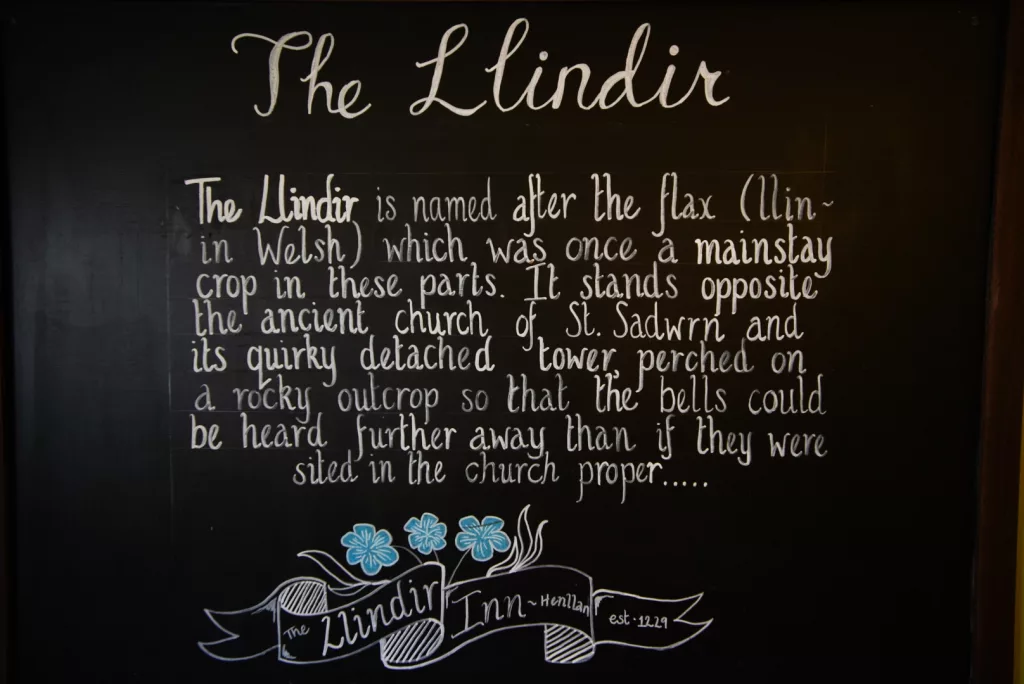
Llindir, Henllan, Denbighshire, North Wales
Llindir means “flax land”. Flax grown for linen was an important crop here, and the name survives in Llindir Street and the historic Llindir Inn.
The flax/lin relationship is slightly turned on its head here. The different words ultimately refer to the same plant, but as different languages arrived in Britain, different terms stuck in different places and developed within English, Welsh and regional dialects.
Liseed, Country Down, Northern Ireland
Derived from lios lín, which translates to the rather romantic-sounding “fort or ringfort of the flax”.
Aghalin, Country Antrim, Northern Ireland
In the Irish language, there are townlands where elements such as “agh” are combined with “lin”, meaning “field of the flax”.
More flax and linseed names on the map
More About Flax Place Names
Locations
- Nottingham University’s Key to English Place names
- Streetmap
- Reviews Rants and Rambles: Aughalin – the Field of Flax
Create an account to get access and updates when we post new content
Register here