
Diabetes, Flaxfarm, Food, Gluten-free, Gluten-free Porridge, Health, Ladies' health, Nutritional, Remedies, Terminology, Vegan
What Fibre Buzzwords Mean for Gut Health and Flaxseed
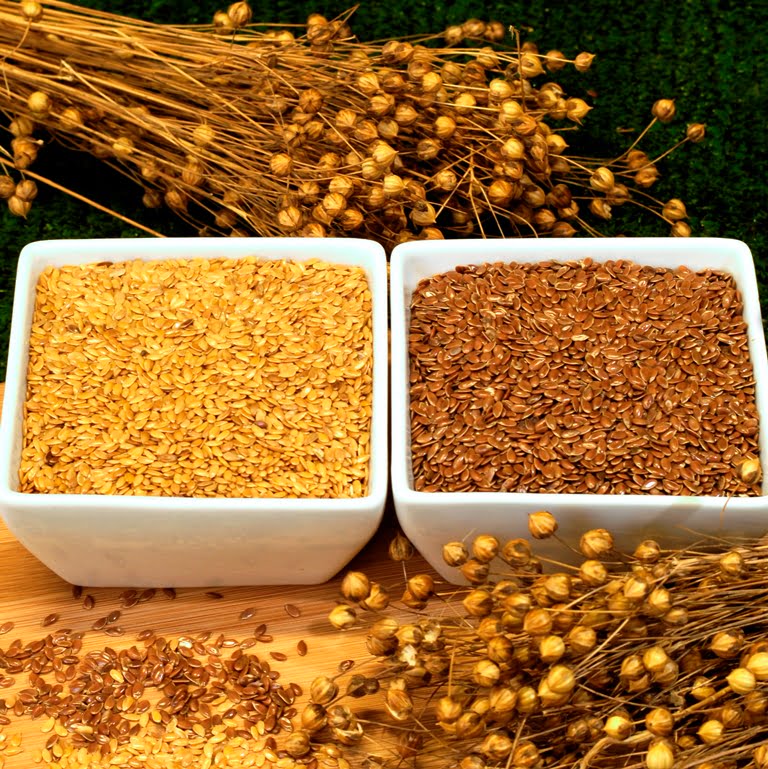
Fibre: A New Way of Looking at Fibre and Gut Health
The old term “roughage” was what people understood as fibre. It referred to the rough, coarse, stringy and woody parts of plants that we couldn’t digest and, to put it crudely, could sometimes see coming out the other end in our poo.
Soluble fibre was much less obvious. It dissolves or disperses in water, almost disappearing from sight, apart from making foods thick, slippery or gloopy.
Today, soluble fibre is attracting increasing attention for its effects on digestive health, the gut microbiome, metabolism and even mental wellbeing. But recently the media has confronted us with a proliferation of new fibre buzzwords: viscous, gel-forming, fermentable, prebiotic, water-holding and bulking. In the face of this, how can we be confident we are eating the right sorts of fibre?
The good news is that these fibre terms describe what different fibres do, rather than entirely separate types of fibre. There’s a great deal of overlap, and many familiar foods provide several types at once, so it’s quite easy to put together a healthy diet for the gut and whole body.
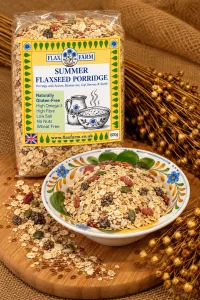
Dietary fibre: types, properties and food sources
| Fibre term | What it means | Fibre types | Food sources |
|---|---|---|---|
| Insoluble | Doesn’t dissolve in water; provides structure and helps bulk out stools | Cellulose, some hemicelluloses, lignin* | Flaxseed, chia, wheat bran, wholegrains, vegetables, nuts |
| Soluble | Dissolves or disperses in water; may be thickening or fermentable | Mucilage, pectins, beta-glucans, inulin | Flaxseed, chia, psyllium husk, oats, barley, fruit |
| – Viscous | Thickens liquid, making it slippery or gloopy | Mucilage, psyllium, beta-glucans, some gums and pectins | Flaxseed, chia, psyllium husk, oats, barley |
| – Gel- forming | Absorbs water to form a soft jelly or cohesive gel | Flaxseed and chia mucilage, psyllium, certain gums | Flaxseed, chia, psyllium husk |
| – Fermentable | Broken down by gut microbes, producing useful compounds including short-chain fatty acids | Pectins, beta-glucans, inulin, some mucilages, resistant starch | Flaxseed, oats, barley, fruit, beans, onions, cooked and cooled potatoes |
| – Prebiotic | Selectively used by gut microbes in ways that benefit health | Inulin, fructooligosaccharides (FOS), galactooligosaccharides (GOS), certain resistant starches | Chicory, onions, garlic, leeks, pulses, flaxseed. |
| – Water-holding | Retains water, helping keep stools moist, softer and easier to pass | Mucilage, psyllium, pectins, some structural fibres | Flaxseed, chia, psyllium husk, oats, vegetables |
| Bulking | Adds volume to stools, helping bowel movements | Cellulose, hemicelluloses, water-holding fibres | Flaxseed, chia, psyllium husk, wheat bran, wholegrains |
Lignin is technically not a carbohydrate but is included in dietary fibre.
What do these different properties mean?
Viscous and gel-forming fibres can slow stomach emptying and the absorption of nutrients, helping us feel fuller for longer and reducing sharp rises in blood sugar after meals. Some, including oat beta-glucans and psyllium, can also help lower cholesterol.
Fermentable fibres feed the enormous community of microbes living in our large intestine. Different fibres support different microbial populations and activities, helping maintain a balanced and resilient gut ecosystem.
Prebiotic is not simply another word for fermentable. A prebiotic must be shown to benefit health through its selective use by the microorganisms of our gut.
Some fermentable fibres, such as inulin, can produce gas quite rapidly. A little may be beneficial, but too much can be rather explosive! A 2025 study found that flaxseed fibre influenced microbial populations and suppressed some potentially undesirable bacteria in laboratory fermentation experiments. This may help promote a healthier, more resilient biome.
Water-holding and bulking fibres help form the sort of poo that makes going to the loo more regular and comfortable. Water-holding fibres keep stools soft and moist, while insoluble plant material, retained gels and the bodies of microbes produced during fermentation all contribute to faecal bulk.
Flaxseed is particularly useful because it’s a unique allrounder. It combines insoluble structural fibre with water-holding mucilage of differing viscosity and fermentable polysaccharides that produce a wide range of short-chain fatty acids. Chia also forms a substantial gel, while psyllium is also effective at retaining water and regulating stool consistency, despite being only slowly or minimally fermented.

Our large intestine is bigger for a good reason
Did you know that although the small intestine is longer, the large intestine is much bigger and can expand up to six times the size of the small intestine? Its great size is a sign that it’s an organ with an important job to do.
| Measurement | Small intestine | Large intestine (colon) |
|---|---|---|
| Main function | Digests food and absorbs most nutrients | Ferments undigested food, absorbs water and forms stools |
| Length | Approximately 5–6 metres | Approximately 1.5 metres |
| Internal mucosal surface area | About 30 m² | About 2 m² |
| Internal volume | Variable – around 0.3 – 0.4 litres | Expandable and highly variable – 0.7-3.0 litres |
The small intestine is designed to digest and absorb nutrients efficiently. The large intestine has a very different job. It houses trillions of microbes that ferment much of the material our own digestive enzymes cannot break down.
Fermentation breaks down fibre and other parts of food that escaped digestion further up. It creates compounds essential for the healthy functioning of the bowel and supports health throughout the whole body.
Among these compounds are short-chain fatty acids, particularly acetate, propionate and butyrate. These help nourish cells lining the colon and influence metabolism, immune function, inflammation and communication between the gut and the rest of the body. Gut microbes also produce some of our B vitamins and, more importantly, vitamin K2.
The colon isn’t simply a waste-storage bag. It’s a sophisticated, living ecosystem, with an intricate community of microbes working together and influencing our health.
Is fermentation always good?
Fermentation has acquired a bad reputation because of bloating, excessive wind and conditions such as irritable bowel syndrome (IBS). But fermentation itself isn’t the enemy.
The amount and speed of fermentation, the balance of microbes, intestinal sensitivity and how effectively gas moves through the bowel can all influence whether we feel comfortable. Some gut microbes even consume gases produced by others, helping regulate how much gas builds up in the bowel and can even help hold onto excess gas so poo becomes lighter, softer and easier to pass – and contributing to fewer farts.
Is the FODMAP approach throwing the baby out with the bathwater?
Restricting FODMAPs (specific types of fermentable foods) can quickly relieve symptoms in some people. Unfortunately, this approach removes many beneficial foods and makes getting a good diet harder so it is only recommended for a short period. It also removes certain valuable fermentable elements that help regulate the whole gut flora ecosystem. It doesn’t necessarily correct whatever caused the intolerance in the first place.
Ground Flaxseed is an allowed FODMAP food at 15g/serving. It’s a good way to start getting plant foods back in your diet and can lead to a more stable digestion. But for sensitive digestions, it’s best to start in a tiny way, just a pinch or two a day and increase the quantity as the body learns to tolerate it.
Rather than trying to prevent fermentation, we should aim to support a gut that ferments food comfortably and efficiently. This is where a wide variety of plant foods on a regular basis comes in. Eating a wide variety of fibre-rich plant foods helps provide different substrates for our gut microbes, while water-holding and bulking fibres support regular bowel movements.
That’s where flaxseed has a useful combination of properties: it provides several different types of fibre in one versatile everyday food – plus omega-3, which also plays a role in gut health, but that’s a story for another day.
Read More about Fibre Buzzwords, Fibre an Flaxseed
How fibre can reduce gas in the gut. https://pubmed.ncbi.nlm.nih.gov/30563420/
Floating stools. https://www.nejm.org/doi/full/10.1056/NEJM197205042861804?utm_source=chatgpt.com
Omega-3 and its influence on gut function. https://pmc.ncbi.nlm.nih.gov/articles/PMC12626015/?utm_source=chatgpt.com
Could restricting FODMAPs make the underlying problem worse? Dr Michael Gregor on bacterial overgrowth and FODMAPs
Create an account to get access and updates when we post new content
Register here