
Flaxfarm
3 Tasty Ways to Eat More Veg: Pkhali Recipe – A Traditional Georgian Dip with Flaxseed Oil
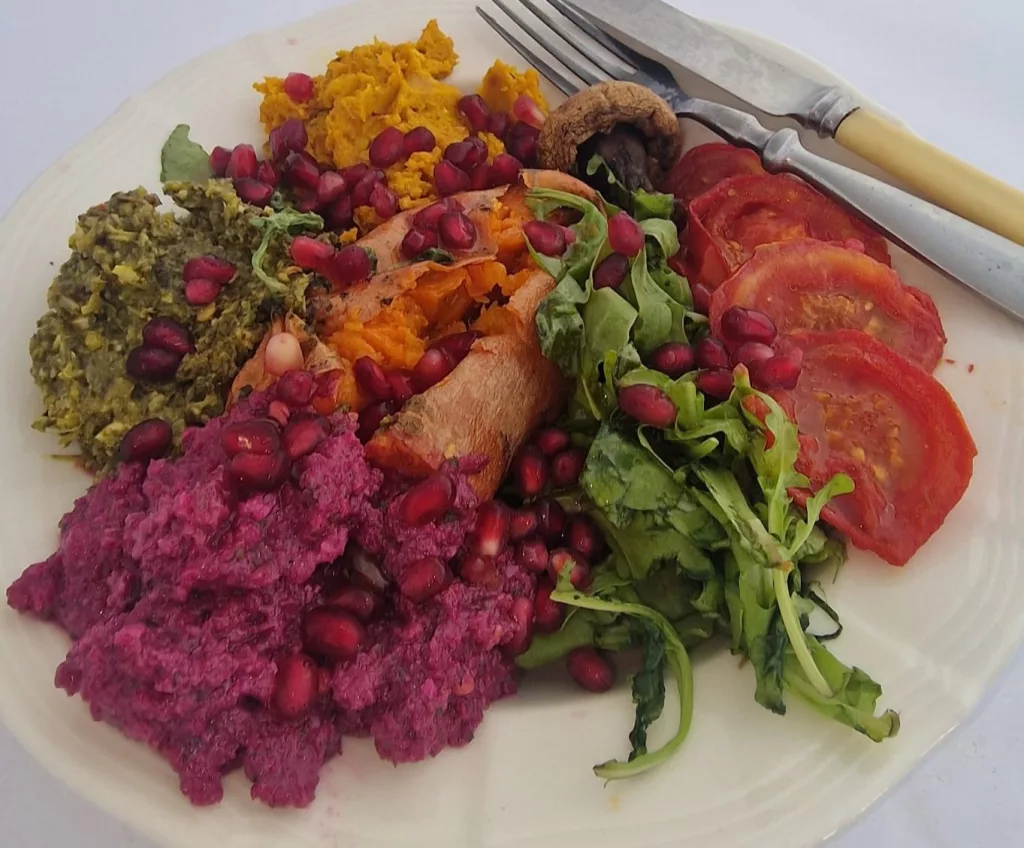
Easy, tasty, super-healthy, low-priced ingredients
This Pkhali recipe is a great way to enjoy veggies, even beetroot. I was introduced to it as a simple flaxseed oil, garlic, lemon and beetroot dip by a customer. It was so delicious it transformed my opinion of beetroot from barely edible to something to look forward to. And it makes it easy to get other veggies and flaxseed oil omega-3 into your diet. The carrot and spinach versions are fab too.
It’s such an easy way to make lovely dishes that you can get creative, adapt the recipe to what you have available and include different veggies, herbs, nuts, seeds and spices. If you are going to eat it immediately, a raw version is even quicker to make. There is nothing new about these variations; they go back thousands of years to when real flavour and health came from fresh foods.
History and Evolution
- Ancient Origins (5000–3000 BC): People were farming in Georgia thousands of years ago, as well as gathering wild herbs, leaves, roots and other seasonal ingredients. Chopping or pounding them together into simple, tasty mixtures must be one of the oldest ways of making food.
- The Middle Ages: Over the centuries, versions of pkhali developed using rich walnut paste, vinegar, garlic, herbs and local spices.
- The 19th Century: Georgian cookbooks give us a written record of pkhali as part of the country’s established food culture, while increasing trade made a wider range of ingredients available.
Today, pkhali is enjoyed across Georgia as a popular cold dish made from different vegetables mixed with walnuts, garlic, herbs and spices.
And as it travels across the world, it can become whatever you want it to be – a salad, a dip, a sandwich filler – great on baked potatoes or served with pasta, grains or dhal.
Recipe
Simply, the recipe is lightly cooked root or leaf veggies – even aubergine works well – chopped, minced or whizzed in a blender with walnuts, maybe a bit of onion, spices, herbs and garlic. Good veggies to start with are carrot, beetroot or spinach/Swiss chard.
Try not to use baby spinach – it’s a bit too flabby when cooked. Swiss chard, beetroot leaves or rainbow chard work really well for green pkhali. I like adding a fistful of fresh green coriander or parsley too.
I prefer lemon juice to vinegar; it’s not as authentic but you may find you prefer its bright tatse too. And once you’ve got the idea, experiment.
Ingredients for 2 People
- 200g spinach, beetroot or carrot
- 60g walnuts
- 1–2 large cloves garlic, peeled
- ½ tsp ground coriander
- ½ tsp ground blue fenugreek – regular fenugreek works well as blue fenugreek can be hard to track down. A little ground cumin is a nice alternative too.
- 1 tsp white wine vinegar or juice of ½–1 lemon
- A small pinch of chilli powder
- Salt, to taste
- Cold-pressed flaxseed oil to taste
- Pomegranate seeds for garnish
- Fresh coriander, parsley or dill chopped, optional
Method
- Cook the Vegetable
- For Spinach: Boil the spinach in salted water for about 3 minutes until wilted. Drain thoroughly. Let it cool, then squeeze out every drop of water you can with your hands.
- For Beetroot or Carrot: Boil until soft – beetroot can take around 45 minutes depending on size. Cool, then grate if you’re not using a food processor, or chop roughly if you are.
- Make the Walnut Paste: Blend the walnuts, garlic, coriander, blue fenugreek, chilli powder and salt in a food processor until they form a thick paste.
- Combine: Add your spinach, beetroot or carrot and pulse until finely chopped and combined – I don’t think it needs to be completely smooth. If you’re making it without a food processor, chop everything finely and thoroughly mix the veggies and walnut paste. Add the white wine vinegar or lemon juice and a good drizzle of flaxseed oil. Taste it. Add a bit more lemon, vinegar, salt, garlic or flaxseed oil if you think it needs it.
- Choose Your Serving Style
- The Ball Style: Roll the mixture into 4 equal-sized balls. Press a small well into the top of each with your thumb and fill with pomegranate seeds.
- The Dish Style: Spread the whole mixture into a small, shallow serving dish. Smooth the top with a spoon, score a diamond pattern into the surface with a knife and scatter over pomegranate seeds, chopped herbs or even finely chopped beetroot or rainbow chard stems for crunch and decoration.
- A Ramekin: Works just fine too.
Serve it cold or at room temperature – as a dip, side dish, salad, sandwich filling, or just spoon it onto whatever you’re eating – perfect on a baked potato.
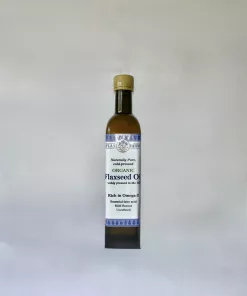
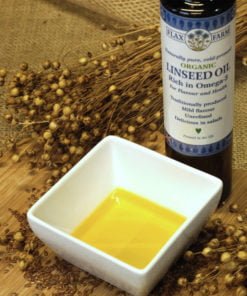
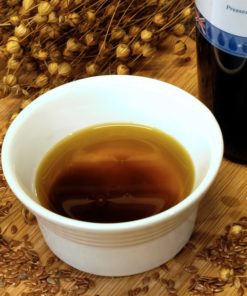
Traditionally used Flaxseed Oil
Until about two centuries ago, when sunflowers – which aren’t native to Georgia – became a popularly grown crop in the region, flaxseed would have been one of the locally available sources of oil. Notably, it was used instead of butter or cream on religious fasting days when animal-based foods were prohibited.
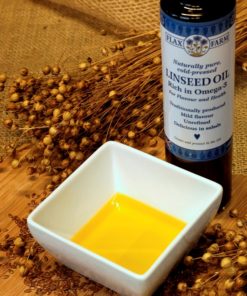
Flax is an ancient crop across this part of the world, and its light, rich, slightly nutty flavour goes beautifully with walnuts and is just right for enhancing veggies rather than overpowering their flavours. It gives us a good way to get extra omega-3 into our diet, which is important now to help balance the fats in modern Western diets.
Nutrients from food for health naturally
I wonder whether the Georgians making early versions of dishes like this thousands of years ago had any idea just how nutritious their food was. They knew nothing of omega-3, or the sulphur compounds in garlic, or the magnesium, potassium and other nutrients packed into leafy greens, herbs, nuts and vegetables. They were probably far more concerned with growing, gathering, preserving and simply having enough good food to eat – how much did they understand?
They couldn’t have imagined a future where people ate too much and made themselves ill. Nor did they have the science that helps us understand our food. We know that flaxseed oil provides the omega-3 ALA; that garlic contains allicin; and that herbs, vegetables and nuts contain fibre, polyphenols and other antioxidants. Just to think, all that time ago people were getting their diet right; simply making these tasty, healthy dishes from naturally grown, local ingredients that people have evolved to eat.
We are coming full circle – science tells us the very nutrients that we now need more of for our health were in the foods eaten by people in ancient Georgia. They would chuckle to know that 5,000 years on, we were looking to them to learn what to eat to return our bodies to a naturally healthy state.
More about the Food of Georgia
More about the Food of Georgia
https://en.wikipedia.org/wiki/Georgian_cuisine
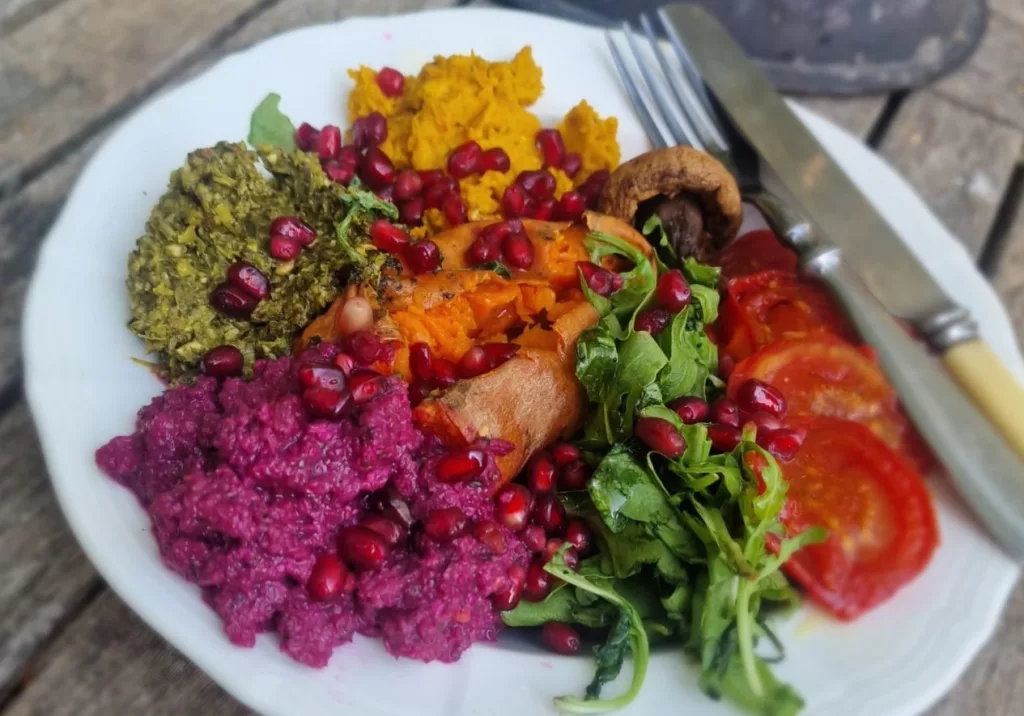
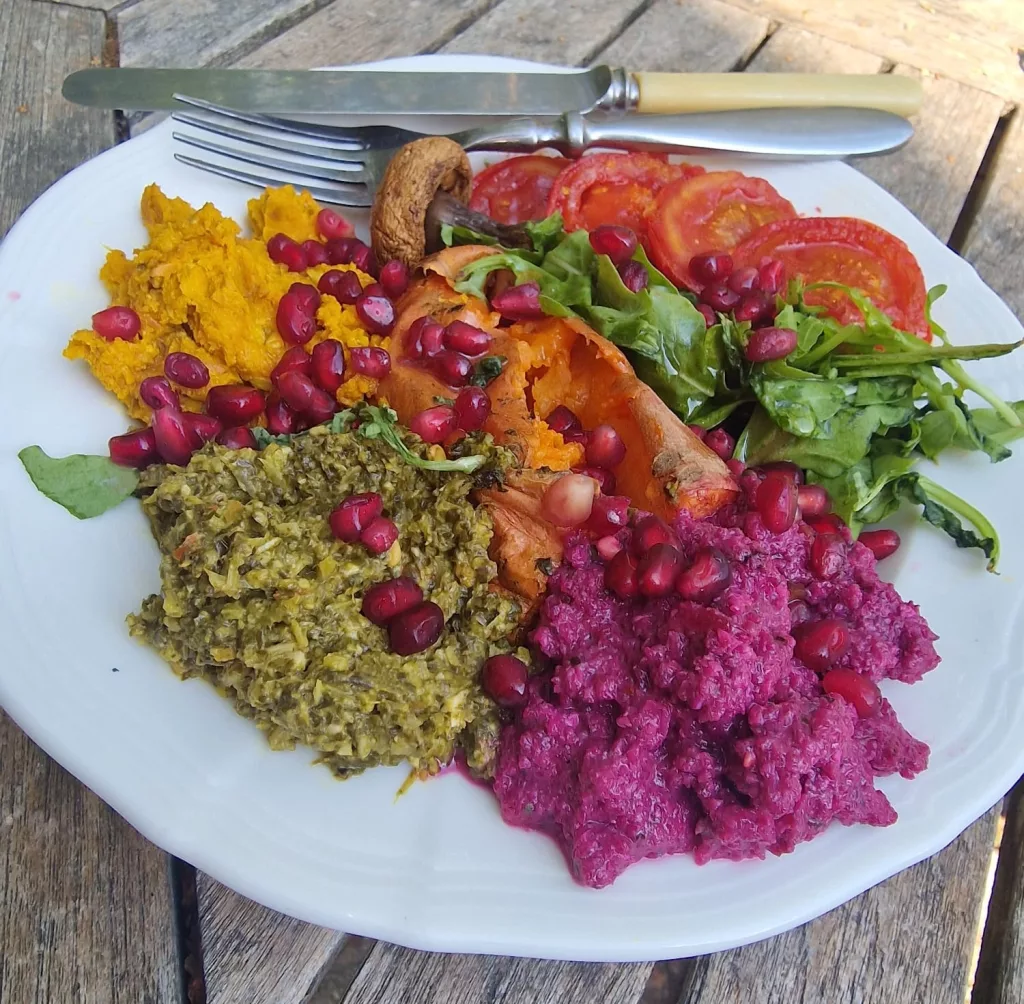
Beetroot, carrot and green pkhali dip with salad and sweet potato topped with pomegranate seeds.
Create an account to get access and updates when we post new content
Register here